
The 2026 Wells Fargo Money Study shows how people are actively managing money, using digital tools like AI, relying on apps, evolving how they learn, and involving family in decisions.
For each of the past three years, Wells Fargo has published its Money Study, a survey of thousands of Americans. The participants weigh in on how they manage money, where they go for advice, and what challenges they’ve been encountering.
These habits evolve year after year, and the findings in the survey make that very apparent. From one generation to the next, regardless of life stage, those who were surveyed make it evident that guidance, tools, and support would make a world of difference, both for Wells Fargo customers and employees.
This year’s theme focused on the small, strategic actions consumers are taking in their attempts to gain financial advantage in today’s economy. Based on the findings of the Money Study, here are five trends to keep in mind as we move further into 2026.
Trend 1: Money management is active, intentional, and mindful
Whether they’re setting goals, adjusting spending, or exploring new money-management tools, people are actively paying attention to their finances and making deliberate choices. The participants of the 2026 Wells Fargo Money Study included 3,773 adults and 215 teens aged 14 to 17. Of those nearly 4,000 people, nearly all of them reported taking at least one action to manage their money.
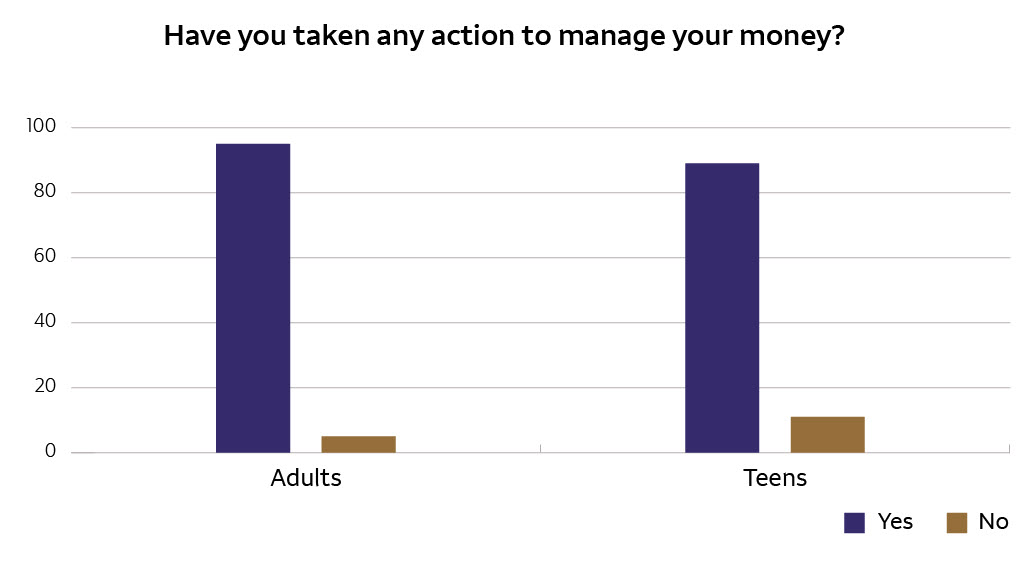 When looking beyond age groups and instead at income levels, people at all stages of wealth are paying closer attention to how and where they spend their money. From waiting for sales before making purchases to cutting down on subscription services, 86% of those surveyed said they are actively making changes in order to spend less. This also includes choosing cheaper brands and stores, in addition to downloading apps to help them receive discounts.
Trend 2: Digital guidance is part of everyday decisions
Digital tools, including AI, are increasingly part of how people think through their money choices, especially when they want clarity or real-time insights. For instance, about one in five Americans now use AI-powered tools for financial guidance. Among the youngest adults surveyed — Gen Z and Millennials — we see these numbers jump to 38% and 24%, respectively.
More insightful yet may be the fact that the AI-generated guidance was considered somewhat or even “very helpful.”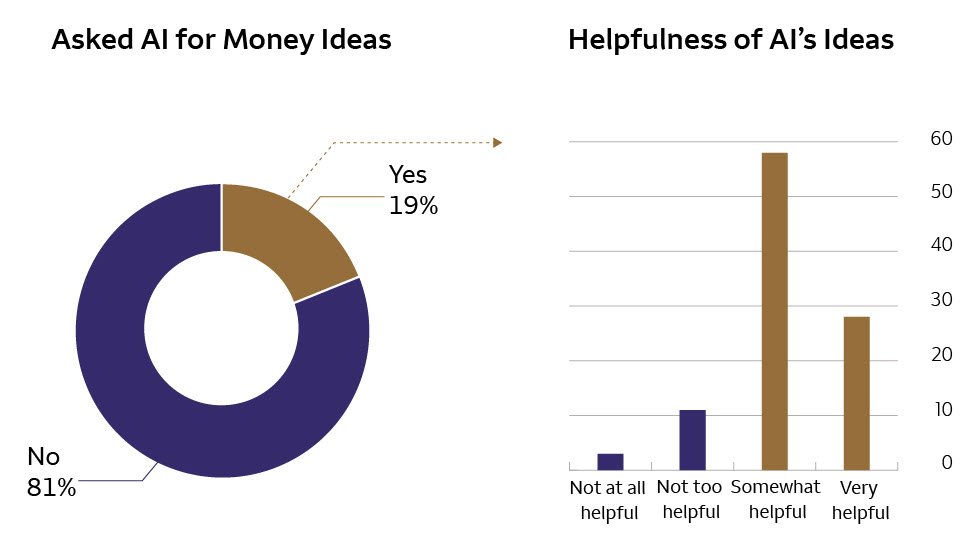
Among those participants who relied on AI for ideas, two-thirds of them moved forward with implementing those ideas. Believe it or not, 90% of the implementing group said those ideas were either profitable or worthwhile.
Trend 3: How people learn about money keeps evolving
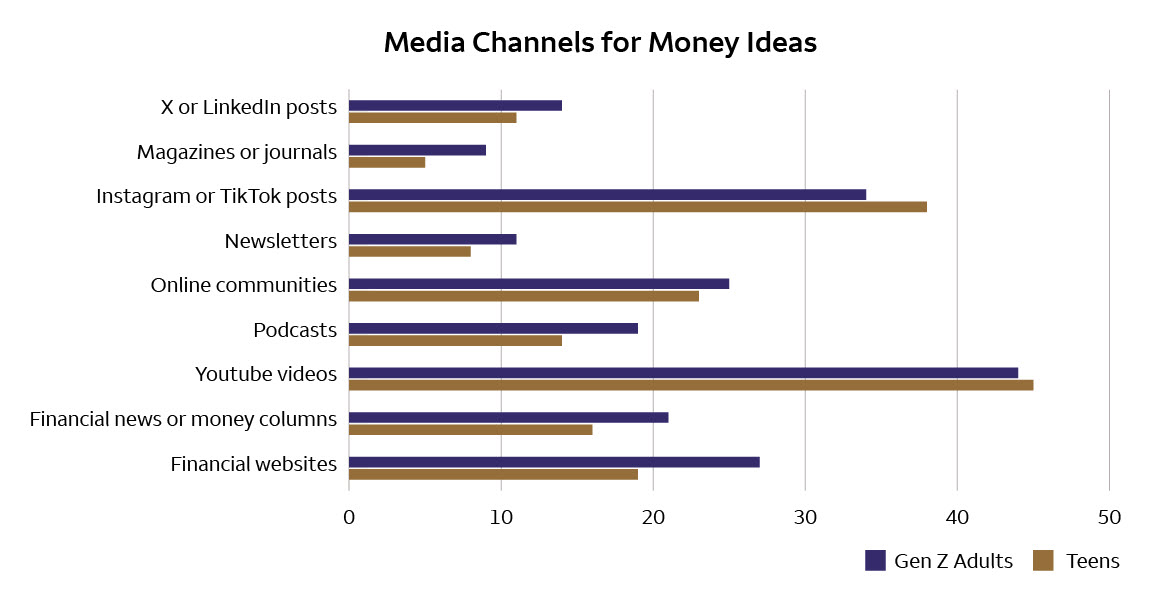
Many younger adults, especially those considered Gen Z, are heavily relying on digital platforms and peer-provided content to learn about money, all while still valuing trusted guidance to support their decisions.
Trend 4: Banking apps are a daily essential
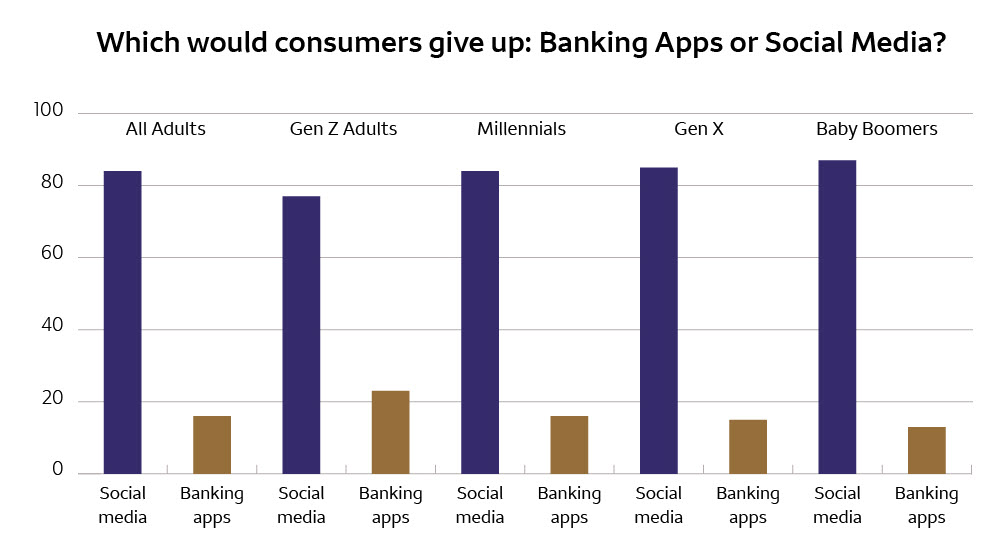
More and more commonly, people are relying on banking apps as part of everyday life, especially when those tools offer insights and organization, not just transactions. The findings of the Money Study support this outlook. Many unique questions were asked to the study’s participants, including “which would you choose to give up: banking apps or social media?”
The results may surprise you:
Trend 5: Financial decisions often include family
As children grow into teens who eventually evolve into college graduates with one foot out the door, it’s becoming more ordinary for those same adult children to be provided with a financial safety net by their parents. In fact, money decisions frequently reflect various life stages and family dynamics, with many households navigating shared financial responsibilities.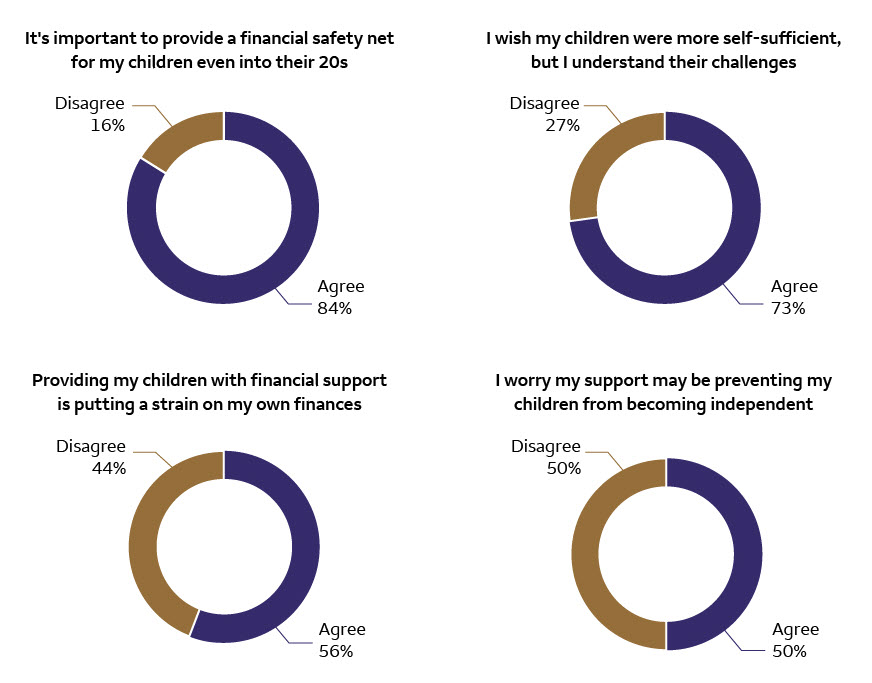
So, what does the 2026 Money Study really show us — and what do these trends mean for you? For one, we can see that life is complicated. And as you might imagine, finances can add to those complications, making them feel even tougher to face.
But we’re pleased to see that U.S. consumers are not sitting idly by in spite of the challenges they may be encountering. Instead, they’re taking action with their money. They’re adopting new strategies to navigate today’s economy. They’re even using cutting-edge technology like AI for educational purposes and to help them make informed decisions, despite AI sometimes providing inaccurate or incomplete information and the continuing need for human judgement.
Half of those surveyed agree that giving proper attention to their finances helps them feel more in control, but still, many worry about not knowing what to do. Others are concerned they may be making bad moves. A third of participants describe their financial life as “messy” and feel anxious when they work on their finances. If you fall into any of these groups that are stressed by their financial picture, we encourage you to work with a professional who can help answer your questions and guide you in a direction that suits your unique needs.
The 2026 Wells Fargo Money Study is based on a national online survey of 3,773 U.S. adults and 215 U.S. teens ages 14 to 17, conducted from November 19 to December 17, 2025. The research was conducted by Versta Research and weighted to reflect the U.S. population by age, gender, race, ethnicity, income, assets, education, and business ownership.